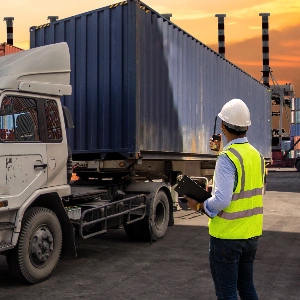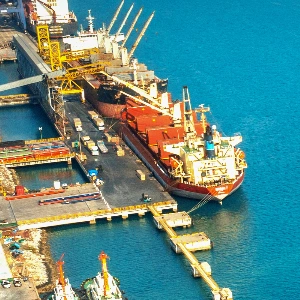
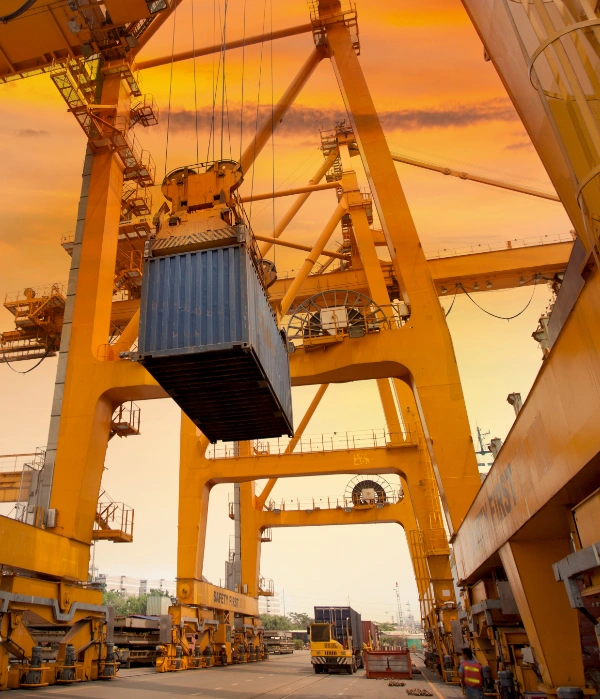
Freight forwarding is a coordination-driven process that manages the movement of goods across international borders through air, sea, and multimodal transport systems. It involves carriers, customs authorities, and logistics networks where timing, compliance, and execution directly affect cost, delivery speed, and reliability.
Freight forwarders play a central role in global trade by organizing shipments, preparing documentation, and ensuring compliance with international regulations. The process includes cargo booking, route planning, customs clearance, and coordination between multiple stakeholders.
Shipping operations rely on structured frameworks such as Incoterms, which define responsibilities between buyers and sellers, and regulatory oversight guided by organizations like the World Customs Organization.
Freight forwarding involves multiple layers of coordination, from transport planning and documentation to customs compliance and delivery execution. The following insights and guides cover the core aspects of global shipping, providing structured knowledge on logistics operations, regulatory frameworks, and practical strategies used in modern freight forwarding systems.

A detailed explanation of the role freight forwarders play in global logistics, including cargo coordination, documentation, and international shipping processes.
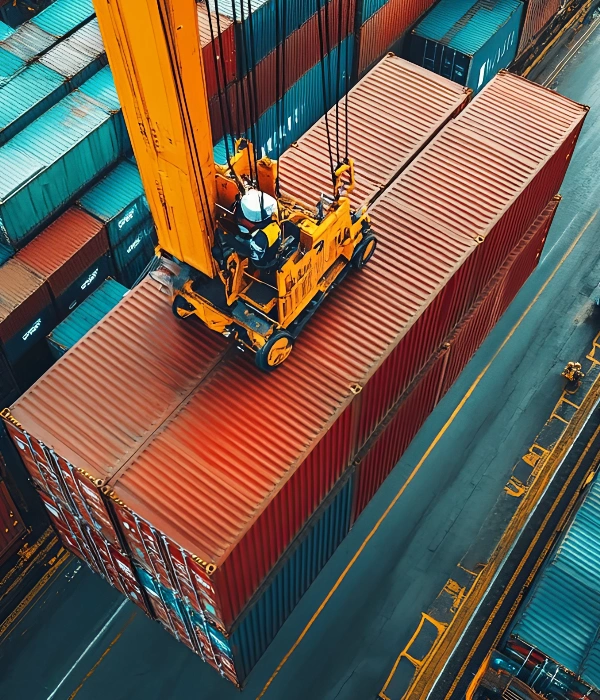
A step-by-step breakdown of freight forwarding operations, from booking cargo to final delivery across international trade routes.
A comparison of air and sea freight, covering transit time, cost, cargo types, and operational advantages in global shipping.

An overview of customs procedures, required documentation, and compliance standards aligned with the World Customs Organization.

A practical guide to international trade terms defining responsibilities between buyers and sellers in freight forwarding agreements.
A breakdown of how air freight costs are calculated using volumetric weight and actual weight in cargo pricing.

Freight forwarding has become an essential component of international commerce, enabling the efficient movement of goods across complex global supply chains. It connects manufacturers, suppliers, and markets through coordinated transport systems that rely on air, sea, and land networks. Regulatory frameworks shaped by organizations such as the World Trade Organization and operational standards aligned with the International Air Transport Association ensure that shipments move in a structured and compliant environment.
Successful freight forwarding depends on precision at every stage, from documentation and cargo handling to customs clearance and final delivery. Errors in classification, timing, or compliance can lead to delays, increased costs, or shipment disruption. Standards guided by the World Customs Organization and aviation regulations under the International Civil Aviation Organization play a critical role in maintaining consistency across international logistics operations.
Charlie Glasgow is a freight forwarding specialist with over 18 years of experience in international logistics, air cargo coordination, and supply chain management.
His background includes:
This experience reflects a practical understanding of how global shipping functions in real operational environments.
Related Posts
A detailed explanation of the role freight forwarders play in global logistics, including cargo coordination, documentation, and international shipping processes. Read More →
A step-by-step breakdown of freight forwarding operations, from booking cargo to final delivery across international trade routes. Read More →
A comparison of air and sea freight, covering transit time, cost, cargo types, and operational advantages in global shipping. Read More →
An overview of customs procedures, required documentation, and compliance standards in international shipping. Read More →