
freight forwarders
How Freight Forwarding Works

Charlie Glasgow
Charlie Glasgow is a logistics specialist with 18+ years of experience in air freight, global shipping, and supply chain strategy. He shares practical insights to help businesses navigate complex freight operations with clarity and confidence.
Freight forwarding is a structured, multi-stage process that manages the movement of goods across international borders. It involves coordination between shippers, carriers, customs authorities, and logistics providers to ensure cargo is transported efficiently, compliantly, and on schedule.
The process begins long before cargo is shipped and continues until final delivery at the destination. Each stage requires accuracy in documentation, timing, and regulatory compliance.
1. Shipment Planning and Quotation
The process starts with shipment planning. Key details are defined, including:
Type of goods
Dimensions and weight
Origin and destination
Required delivery timeline
Preferred transport mode (air, sea, or multimodal)
Based on this information, the freight forwarder determines the most efficient shipping route and provides a cost estimate. Factors such as fuel costs, carrier availability, and seasonal demand influence pricing.
2. Booking Cargo Space
Once the shipment is confirmed, cargo space is booked with a carrier. This may involve:
Airlines for air freight
Shipping lines for sea freight
Trucking companies for inland transport
Freight forwarders coordinate schedules to align with departure times and transit requirements. Air cargo operations often follow standards set by the International Air Transport Association, ensuring consistency in handling and documentation.
3. Cargo Preparation and Packaging
Before shipping, goods must be properly prepared and packaged. This includes:
Secure packaging to prevent damage
Labeling with shipment details
Compliance with transport regulations (especially for hazardous or sensitive goods)
Proper packaging is critical to avoid delays, damage, or rejection during transit.
4. Documentation and Compliance
Accurate documentation is essential in freight forwarding. Common documents include:
Bill of lading (for sea freight) or air waybill (for air freight)
Commercial invoice
Packing list
Certificates of origin
Freight forwarders ensure that all documents comply with international trade requirements and align with frameworks such as Incoterms, which define responsibilities between buyers and sellers.
Errors at this stage can result in delays, fines, or shipment rejection.
5. Customs Clearance
Customs clearance is one of the most critical stages. It involves:
Declaring goods to customs authorities
Classifying goods under the correct tariff codes
Calculating duties and taxes
Submitting required documentation
Procedures are guided by standards from the World Customs Organization, which helps harmonize customs processes globally.
Freight forwarders or customs brokers handle this process to ensure compliance and avoid delays.
6. Transportation and Transit
Once cleared, the cargo is transported to its destination using the selected mode:
Air freight for speed and time-sensitive shipments
Sea freight for large-volume or cost-sensitive cargo
Multimodal transport combining different transport methods
During transit, freight forwarders monitor shipment progress and manage any disruptions, such as delays or rerouting.
7. Destination Handling and Final Delivery
Upon arrival at the destination:
Cargo is unloaded and processed at the port or airport
Final customs clearance is completed if required
Goods are transferred to local transport for delivery
The shipment is then delivered to the consignee’s specified location, completing the freight forwarding process.
Key Stakeholders in Freight Forwarding
Freight forwarding involves multiple parties working together:
Shippers (exporters)
Consignees (importers)
Carriers (airlines, shipping lines, trucking companies)
Customs authorities
Logistics providers
Freight forwarders act as the central coordinator, ensuring communication and alignment between all stakeholders.
Common Challenges in the Process
Freight forwarding is complex and subject to various risks:
Documentation errors leading to customs delays
Capacity shortages in peak shipping seasons
Regulatory changes across different countries
Supply chain disruptions affecting transit times
Effective coordination and experience are essential to managing these challenges.
The Importance of Coordination
The success of freight forwarding depends on precision at every stage. Small mistakes in documentation, timing, or compliance can result in significant delays or additional costs.
Freight forwarders reduce these risks by maintaining strong networks, understanding regulatory frameworks, and applying operational expertise across the shipping process.
Conclusion
Freight forwarding works as a coordinated system that manages the end-to-end movement of goods across international supply chains. From planning and booking to customs clearance and final delivery, each step requires careful execution.
By handling these complexities, freight forwarders enable businesses to move goods efficiently across global markets while minimizing risk and ensuring compliance.
Related Posts
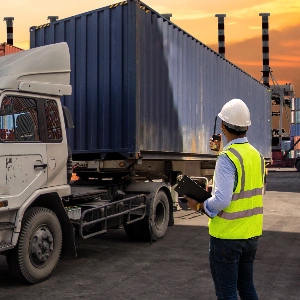
What is a Freight Forwarder
A detailed explanation of the role freight forwarders play in global logistics, including cargo coordination, documentation, and international shipping processes. Read More →
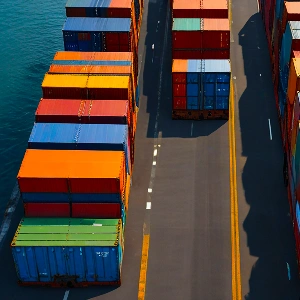
How Freight Forwarding Works
A step-by-step breakdown of freight forwarding operations, from booking cargo to final delivery across international trade routes. Read More →
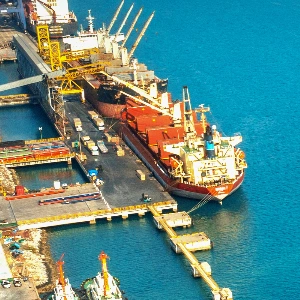
Air Freight vs Sea Freight
A comparison of air and sea freight, covering transit time, cost, cargo types, and operational advantages in global shipping. Read More →

Customs Clearance Process
An overview of customs procedures, required documentation, and compliance standards in international shipping. Read More →